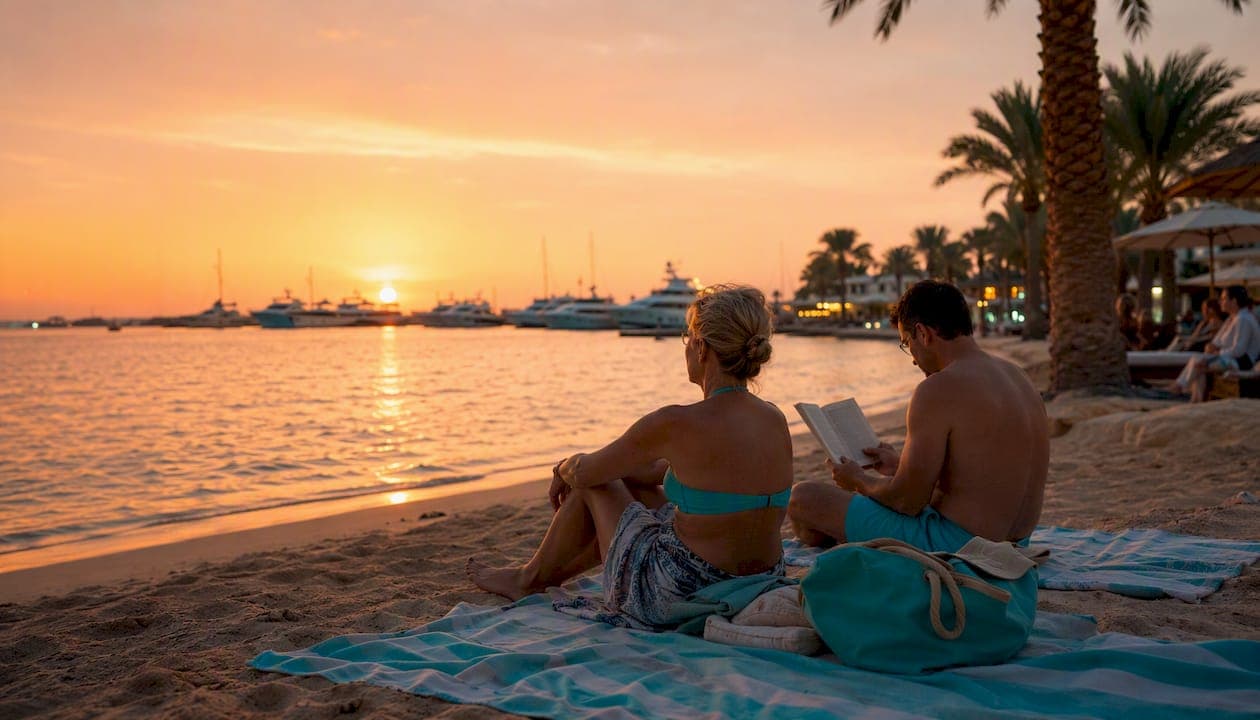
Hurghada city is Egypt's premier Red Sea resort destination, built around world-class diving, year-round sunshine, and direct flights into Hurghada International Airport from Cairo and dozens of European cities. Whether you're planning a week of snorkeling, a family beach holiday, or a first look at Red Sea property, this guide covers everything you need.
Who benefits most from a trip to Hurghada:
- Divers and snorkelers — the Giftun Islands and surrounding reefs offer some of the clearest, most biodiverse waters in the Red Sea
- Beach holidaymakers — long stretches of coastline, private resort beaches, and calm, warm water for most of the year
- Families — resort areas with all-inclusive options, the Hurghada Grand Aquarium, and calm shallow bays
- First-time Egypt visitors — easy international access, English widely spoken in tourist areas, and a well-developed tourism infrastructure
- Property researchers — visitors who fall for the Red Sea lifestyle often return to buy; Padsabroad specializes in helping international buyers navigate that next step
Quick seasonal note: July and August bring extreme heat with very high daytime temperatures, so spring (March–May) and fall (September–November) are the most comfortable times to visit. Winter draws European sun-seekers looking to escape the cold.
Table of Contents
- What are the key facts about Hurghada city?
- Top things to do in Hurghada
- What's diving and snorkeling like in Hurghada?
- Giftun Islands and beaches: what should you expect?
- Where should you stay in Hurghada?
- How do you get to Hurghada and get around?
- When is the best time to visit Hurghada?
- Is Hurghada safe, and what should you watch out for?
- What does a trip to Hurghada typically cost?
- Sample itineraries for 2, 4, and 7 days in Hurghada
- Practical travel tips: visas, currency, phones, and more
- Thinking about buying property in Hurghada? Here's where to start
- Nightlife and entertainment in Hurghada
- Key Takeaways
- Padsabroad's perspective on Hurghada
- Useful sources and further reading
What are the key facts about Hurghada city?
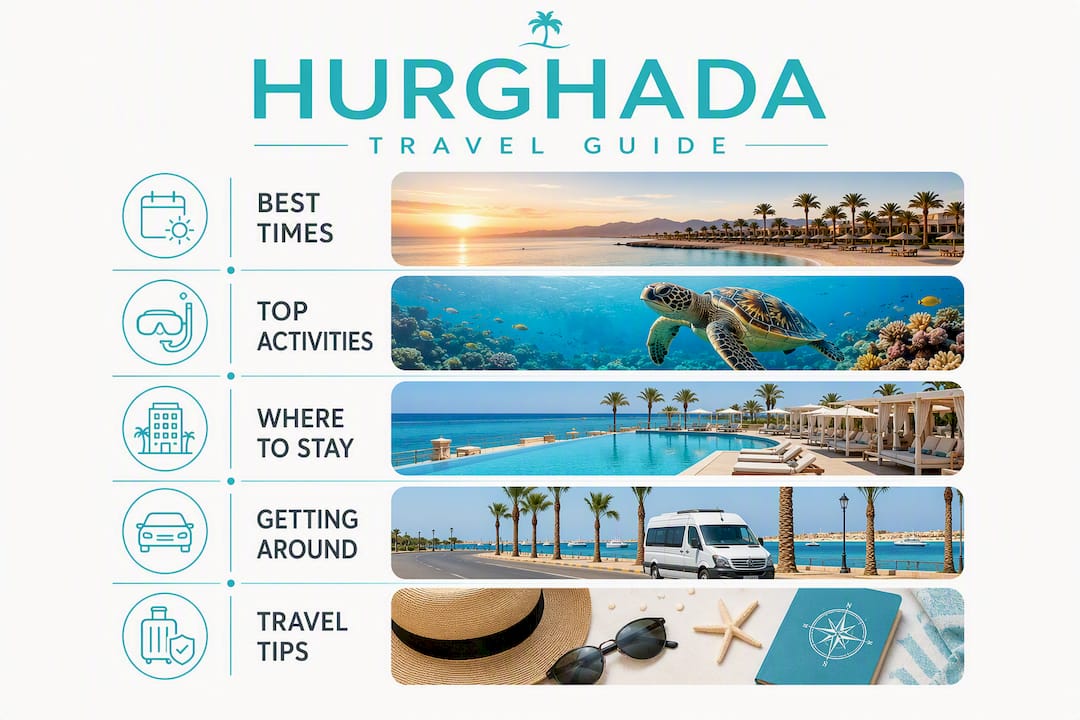
Hurghada is the capital of Egypt's Red Sea Governorate, sitting on the western shore of the Red Sea roughly 500 km southeast of Cairo. It grew from a small fishing village founded in 1905 into one of Egypt's most visited resort cities, with a coastal strip stretching close to 40 km.
| Fact | Detail |
|---|---|
| Location | Western Red Sea coast, Red Sea Governorate, Egypt |
| Founded | 1905 |
| Coastal length | close to 40 km |
| Population is reported as over two hundred thousand | |
| Elevation | 10 m (33 ft) |
| Time zone | UTC+2 (EET); UTC+3 in summer (EEST) |
| Nearest airport | Hurghada International Airport is located a short distance west of the resort strip |
| Distance to Cairo | ~500 km by road; ~1-hour flight |
Key landmarks and nearby areas at a glance:
- Hurghada International Airport — Egypt's second-busiest airport, with direct routes to Cairo and major European cities
- Hurghada Marina — the social and commercial heart of the tourist strip, lined with restaurants, bars, and yacht berths
- Giftun Islands — the most popular day-trip destination for snorkeling and reef diving, accessible by boat in under an hour
- El Gouna — a planned resort town 22 km north of the airport, known for its canal network and upscale amenities
- Sahl Hasheesh — a gated resort bay about 18 km south of the city center, popular for luxury stays and calm beaches
Top things to do in Hurghada
Hurghada punches well above its size for activities. The Red Sea itself is the main draw, but there's enough variety to fill a week without repeating yourself.
- Snorkeling and diving at the Giftun Islands — the single best reason to visit; coral gardens, sea turtles, and visibility that regularly exceeds 20 meters. Half-day and full-day boat trips depart daily from the marina.
- Giftun Islands boat day — beyond snorkeling, a full-day trip includes beach time on the island's white sand, lunch on board, and a second reef stop. Book early in high season.
- Hurghada Marina stroll and dinner — the marina is the city's social hub. Walk the promenade in the evening, browse shops, and pick from a wide range of restaurants. Best after 6 PM when the heat drops.
- Hurghada Grand Aquarium — opened in 2015, it's the largest aquarium in Egypt and the second largest in Africa. A solid two-hour family stop, especially good for younger children.
- Desert safari — quad biking, camel rides, and Bedouin camp dinners in the Eastern Desert. Most operators run half-day afternoon trips that return before dark. Adventure-focused and very popular.
- Windsurfing and kitesurfing — Hurghada's consistent northerly winds make it a recognized watersports destination. El Gouna in particular has established kite schools with international instructors.
- Glass-bottom boat tour — a gentler alternative to snorkeling for non-swimmers or families with very young children. Reef views without getting wet.
- El Dahar market and old town — the original part of the city, with souks, local spice shops, and a noticeably different pace from the tourist strip. Good for an afternoon of authentic shopping.
- Deep-sea fishing — half-day charters are available from the marina. Barracuda, grouper, and tuna are common catches depending on the season.
- Hurghada Museum — the first antiquities museum in the Red Sea Governorate, housing around 2,000 artifacts covering Egyptian history from ancient to Islamic periods. A good rainy-day or midday-heat option.
What's diving and snorkeling like in Hurghada?
Hurghada is internationally recognized for scuba diving and snorkeling, with easy access to some of the Red Sea's finest coral reefs. The Giftun Islands are the headline site, but the wider area includes dozens of named reefs, wrecks, and drift dives within a short boat ride.
Top dive and snorkel sites:
- Giftun Islands (Giftun Kebir and Giftun Saghir) — the most accessible and most visited; excellent for beginners and experienced divers alike
- Abu Ramada — colorful hard corals and regular sightings of Napoleon wrasse and moray eels
- Umm Qamar — a longer boat ride but rewarding for drift diving and larger pelagic fish
- Careless Reef — a popular shallow reef good for snorkelers and open-water divers
Operator tips:
- Choose operators with visible PADI or SSI certification displays and current equipment
- Beginners can join a "Discover Scuba" session without any prior certification; most reputable operators offer this as a half-day program
- Multi-day divers should ask about package pricing — many operators discount significantly for three or more dives booked together
- Check that tanks, regulators, and BCDs are inspected and in good condition before you enter the water
Seasonality: Water temperatures range from around 22°C in winter to 28°C in summer. Visibility is generally best from October through May, when winds are calmer and plankton levels are lower. Summer diving is still good but can be hazier on some days.
Pricing: Budget operators working with hotels typically offer two-dive tours from around €50, while higher-end operators charge up to US$65 for a comparable package. Day-boat snorkeling trips tend to run cheaper. Prices are often negotiable, particularly outside peak season.
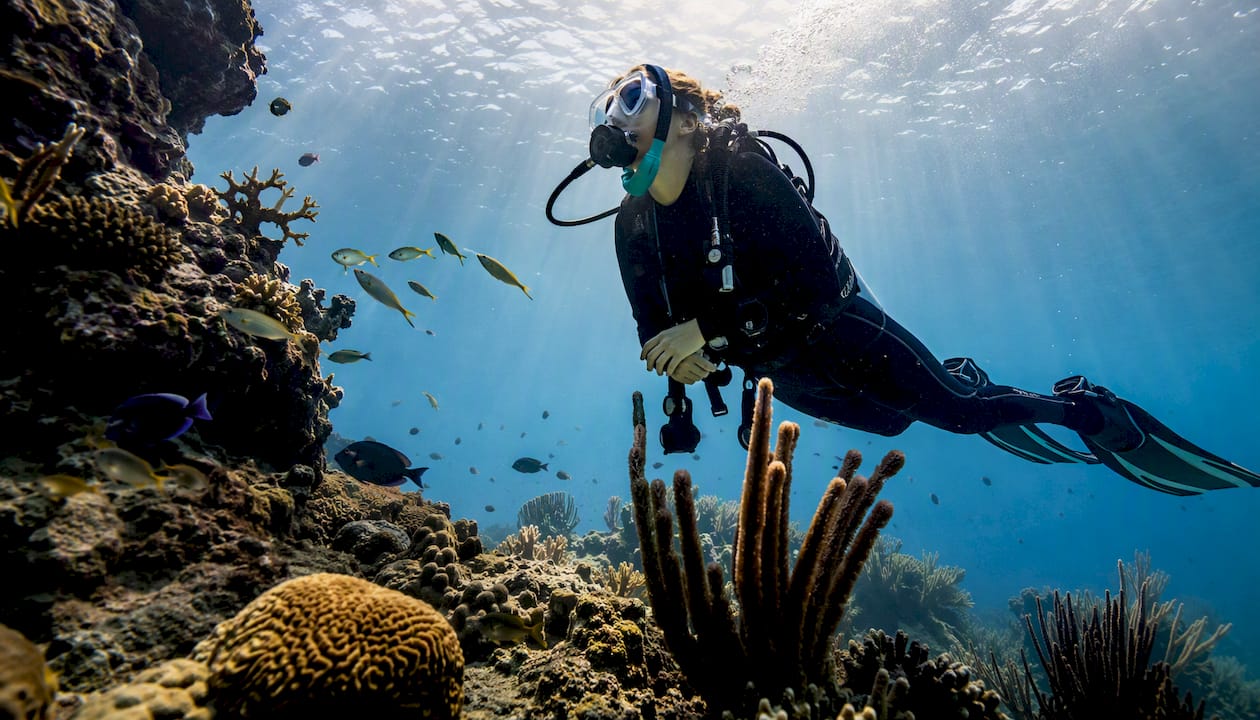
Pro Tip: Book your dive operator before you arrive if you're visiting in November through January or during Egyptian school holidays. Reputable operators fill their boats quickly on calm-weather days, and you don't want to settle for whoever has space.
Giftun Islands and beaches: what should you expect?
The Giftun Islands are the primary reason most visitors book a boat day. The two main islands, Giftun Kebir and Giftun Saghir, sit within a protected national park and offer white sand beaches, shallow lagoons, and reef walls that drop steeply into clear blue water.
A typical Giftun day trip departs around 9 AM, includes two snorkel stops, a beach break on the island, lunch on board, and returns by late afternoon. The national park charges a small entry fee, usually included in the operator's price. Expect the boat to be busy in high season.
Public vs. private beaches:
| Feature | Public beaches | Private/resort beaches |
|---|---|---|
| Cost | Free or minimal entry | Included in hotel stay or day-pass fee |
| Facilities | Basic or none | Sunbeds, umbrellas, showers, bars |
| Crowds | Can be very busy | Controlled access, quieter |
| Water quality | Variable | Generally maintained and monitored |
| Best for | Budget travelers, locals | Families, comfort-focused visitors |
Practical beach advice:
- Public beaches along the main strip can get crowded, particularly on weekends and Egyptian public holidays
- Resort day passes (for non-guests) are widely available and often worth the cost for the facilities alone
- Shade is limited on public stretches, so arrive early or bring your own cover
- The water along most of Hurghada's coast is calm and shallow close to shore, making it safe for children
Where should you stay in Hurghada?
Hurghada's main districts are El Dahar, Sekala (also written Sigala or Sakkala), and Al Ahyaa, each with a distinct character. Beyond the city itself, the nearby resort towns of El Gouna, Sahl Hasheesh, and Soma Bay offer self-contained alternatives.
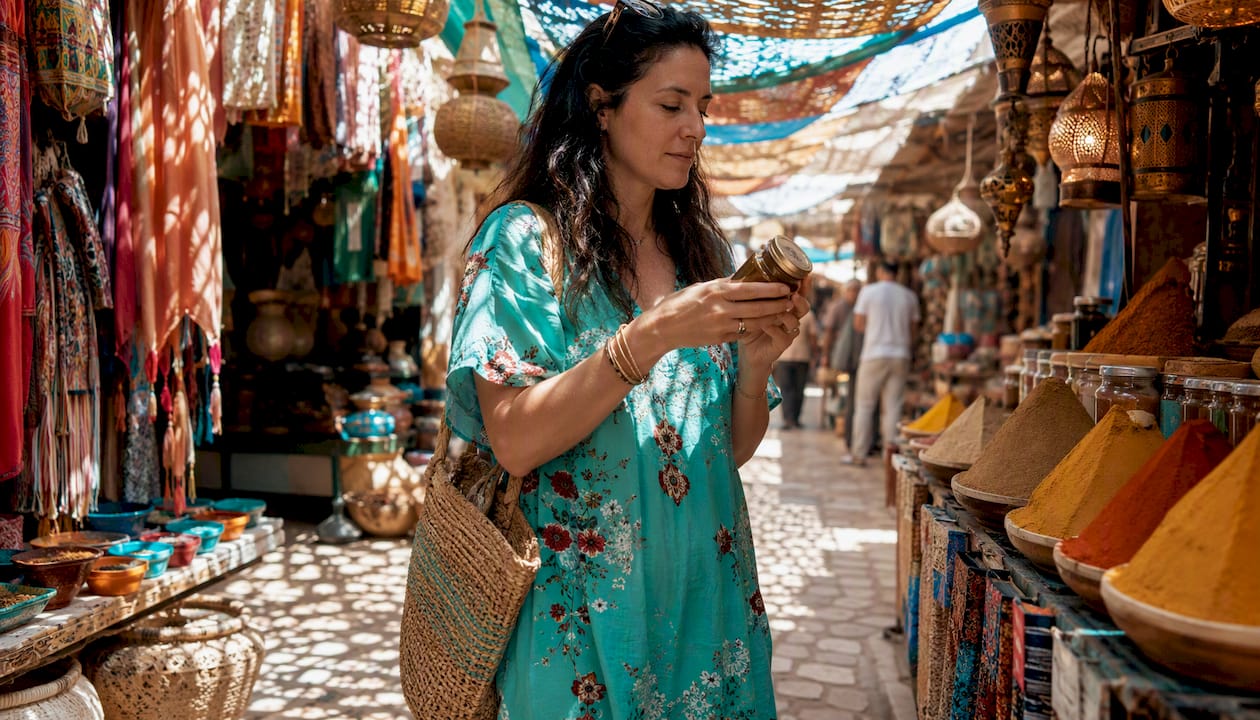
El Dahar (old town) The original city center, with local markets, budget hotels, and a genuinely Egyptian atmosphere. Good for travelers who want to experience daily life beyond the tourist strip. Dive centers are accessible, and it's the most affordable area for accommodation.
Sekala / Sigala (tourist hub and marina) This is where most first-time visitors stay. The marina, restaurants, nightlife, and the bulk of mid-range to upscale hotels are all here. Walking distance to the marina promenade and easy access to boat trips. Best for: nightlife, convenience, first-timers.
Al Ahyaa (North Hurghada) A residential area north of the city center with newer hotel developments and a quieter feel. Growing in popularity with buyers looking at North Hurghada real estate for investment or long stays. Best for: families, longer stays, budget-conscious travelers.
El Gouna (22 km north) A planned resort town built on a series of islands connected by bridges and canals. Upscale, car-free in its center, and home to international restaurants, a golf course, and a strong kite and windsurf scene. Best for: luxury, watersports, couples.
Sahl Hasheesh (18 km south) A gated bay with pristine beaches and high-end resort hotels. Very quiet and self-contained. Best for: relaxation, luxury, families wanting calm water and private beach access.
Soma Bay (45 km south) A peninsula resort with a championship golf course, a thalassotherapy spa, and excellent house reefs. Smaller and more exclusive than Sahl Hasheesh. Best for: golf, wellness, diving from the shore.
Readers considering a longer stay or property purchase can browse available listings across Hurghada and the Red Sea on the Padsabroad site to get a sense of what each area offers in terms of property type and price.
How do you get to Hurghada and get around?
Getting there:
- Hurghada International Airport handles scheduled and charter flights from Cairo (roughly 1 hour) and direct routes from cities across Europe, including London, Frankfurt, Warsaw, and Moscow. It's Egypt's second-busiest airport and can get congested when multiple charter flights land simultaneously.
- Confirm your terminal before arrival — different airlines use different sections of the airport.
- From Cairo, you can also travel by road (roughly 5–6 hours) or by bus, though most international visitors fly directly.
Airport transfers:
- Hotel transfer — the most straightforward option; book in advance through your hotel or tour operator. Typical ride time to the resort strip is 15–25 minutes.
- Airport taxi — available outside arrivals; agree on the price before you get in. Metered taxis are not standard here.
- Shared shuttle — cheaper than a private taxi; expect a longer journey if the shuttle makes multiple hotel stops.
Getting around the city:
- Local taxis — the most common way to get around. Always agree on the fare before departure; few drivers use meters.
- Car rental — available at the airport and through hotels. Roads between resort areas are straightforward, but driving in El Dahar requires patience. For detailed advice on roads and rental logistics, Padsabroad's driving in Hurghada guide covers the key safety points.
- Boat transfers — the standard way to reach Giftun Islands and the quickest connection between the marina and some resort areas.
- Tuk-tuks — common in El Dahar for short hops; cheap and easy to flag down.
When is the best time to visit Hurghada?
Hurghada has a hot desert climate with very little rainfall year-round, which makes it a genuine all-seasons destination. The question is really about heat tolerance and what you plan to do.
Season-by-season summary:
- Winter (December–February): Daytime temperatures in the high 20s °C (low-to-mid 80s °F). Mild, sunny, and very popular with European visitors. Water temperatures around 22–23°C, so a wetsuit is useful for longer dives.
- Spring (March–May): Comfortable and warming. March and April are arguably the best months overall. Visibility underwater is excellent, and crowds are manageable.
- Summer (June–September): Very hot. Daytime highs frequently exceed 35°C, with peaks above 46°C recorded in July and August. Plan outdoor activities for early morning or evening. Water temperatures reach 28°C, which is ideal for swimming.
- Fall (October–November): Warm and pleasant, with the sea still holding summer heat. One of the best periods for diving visibility and comfortable sightseeing.
Packing tips by activity:
- Light, breathable clothing is non-negotiable from May through October
- Reef-safe sunscreen matters year-round; the Red Sea's protected reefs are sensitive to chemical sunscreens
- A 3mm wetsuit is worth packing for winter and early spring dives
- Comfortable walking shoes for El Dahar markets and desert excursions
Pro Tip: If you're visiting in July or August, schedule any desert excursions or outdoor markets for 7–9 AM or after 5 PM. Midday heat in summer is genuinely dangerous for extended outdoor activity.
Is Hurghada safe, and what should you watch out for?
Hurghada is generally safe for tourists, and the resort areas are well-policed and heavily visited by international travelers year-round. That said, a few practical precautions make the difference between a smooth trip and an avoidable headache.
Safety checklist:
- Secure valuables in hotel safes; petty theft in crowded markets is the most common issue
- Use hotel-arranged or pre-agreed taxis rather than accepting unsolicited rides
- Be alert to common tourist scams: inflated prices quoted before you ask, "free" boat trips that come with a hard sell, and unofficial guides who attach themselves uninvited
- Stick to bottled water throughout your stay; tap water is not safe to drink
- Travel insurance is strongly recommended, and if you plan to dive, make sure your policy covers diving-related incidents
Health notes:
- Medical facilities in Hurghada are adequate for most situations; the city has private hospitals and clinics used to treating tourists
- Pharmacies are widely available and well-stocked; many medications available by prescription elsewhere can be purchased over the counter
- Stomach issues from food are the most common traveler complaint; eat at busy, reputable restaurants and avoid raw salads from street stalls early in your trip
Cultural norms:
- Dress modestly when visiting El Dahar, local markets, and mosques; shoulders and knees should be covered
- Public displays of affection are best kept minimal outside resort areas
- A few words of Arabic (shukran for thank you, min fadlak for please) go a long way and are genuinely appreciated
On safety perceptions: Tourist numbers and origin markets have shifted over the years following various incidents, including a notable drop in Russian visitors after 2015 security events. The resort areas have since maintained strong visitor numbers from Europe and the wider Middle East, and security presence in tourist zones remains high.
What does a trip to Hurghada typically cost?
Hurghada covers a wide price range, from genuinely budget-friendly to full luxury resort pricing. Here's a realistic breakdown.
| Activity / Item | Typical cost |
|---|---|
| Two-dive day trips with budget operators are commonly available from around €50 | |
| Upscale operators charge up to US$65 for comparable two-dive day trips | |
| Giftun Islands boat day prices vary depending on operator and season | |
| Desert safari pricing varies according to package and provider | |
| Private airport transfers are priced depending on service level | |
| Mid-range restaurant meals cost vary across venues | |
| Budget hotel prices range widely depending on location and season | |
| Mid-range hotels have a range of prices reflecting quality and amenities |
Daily budget bands:
- Budget traveler: EGP 1,500–2,500/day — covers a budget hotel, local meals, and one activity
- Mid-range traveler: EGP 3,500–6,000/day — comfortable hotel, restaurant dining, and a guided excursion
- Luxury traveler: EGP 8,000+/day — resort hotel, private tours, and premium dining
Currency and tipping tips:
- The Egyptian pound (EGP) is the local currency; US dollars and euros are widely accepted in tourist areas but you'll get better value exchanging to EGP
- ATMs are available throughout the resort strip and at the airport; notify your bank before travel
- Tipping (baksheesh) is expected: EGP 20–50 for hotel staff per service, EGP 50–100 for guides per half-day, and EGP 20–30 for drivers on short trips
- Card acceptance is improving in hotels and larger restaurants, but carry cash for markets, taxis, and smaller operators
Sample itineraries for 2, 4, and 7 days in Hurghada
2-day quick visit
- Day 1 morning: Arrive, check in, walk the Hurghada Marina promenade in the evening
- Day 1 afternoon/evening: Dinner at a marina restaurant; explore Sekala's shops
- Day 2: Half-day snorkeling trip (book the night before); afternoon at El Dahar market; depart
4-day itinerary
- Day 1: Arrive and settle in; marina evening stroll and dinner
- Day 2: Full-day Giftun Islands boat trip (book in advance); evening rest
- Day 3: Morning dive or watersports session; afternoon desert safari
- Day 4: Hurghada Grand Aquarium (morning); El Dahar market and local lunch; depart
7-day itinerary
- Day 1: Arrive; marina orientation
- Day 2: Full-day Giftun boat trip
- Day 3: Two-dive day with a licensed operator (or second snorkel trip)
- Day 4: Day trip to El Gouna — explore the canals, lunch, and optional kite lesson
- Day 5: Desert safari morning; Hurghada Museum afternoon
- Day 6: Sahl Hasheesh day trip — private beach and relaxation
- Day 7: Hurghada Grand Aquarium or local market; depart
Booking note: If weather disrupts a Giftun boat day (occasional strong winds cancel trips), swap it with the desert safari and reschedule the boat day when conditions improve. Most operators will accommodate this without a penalty.
Practical travel tips: visas, currency, phones, and more
Visa basics:
- Most nationalities, including US, UK, and EU passport holders, can obtain an Egyptian e-visa online before travel or a visa on arrival at the airport
- Always verify current requirements with the Egyptian consulate or official government portal before booking; rules can change
- The e-visa process is straightforward and typically takes 3–5 business days
Phone and internet:
- Local SIM cards from Vodafone Egypt, Orange Egypt, or Etisalat are inexpensive and available at the airport and in the city; a data SIM with a reasonable allowance costs very little
- Hotel Wi-Fi is widely available but variable in speed; a local SIM is more reliable for navigation and communication
- International roaming is an option but expensive compared to a local SIM
Power and other practicalities:
- Egypt uses Type C and F plugs (European-style round pins) at 220V; US travelers need an adapter and possibly a voltage converter for older devices
- Pharmacies are plentiful and open long hours; basic medications are easy to find
- English is widely spoken in tourist areas; in El Dahar and local neighborhoods, a few Arabic phrases help
Useful Arabic phrases:
- Shukran — thank you
- Min fadlak — please
- Bikam? — how much?
- La, shukran — no, thank you (useful for declining persistent vendors)
Frequently asked questions:
Do US citizens need a visa for Egypt? Yes. US passport holders can apply for an Egyptian e-visa online before travel or obtain a visa on arrival at Hurghada International Airport. Always confirm current requirements before departure.
Is English widely spoken in Hurghada? In the resort areas, marina, and tourist-facing businesses, yes. In El Dahar and residential neighborhoods, Arabic is the primary language, though younger Egyptians often speak some English.
Thinking about buying property in Hurghada? Here's where to start
Many visitors to Hurghada return home and start researching property. The combination of affordable prices relative to European markets, strong rental demand from tourists, and a lifestyle that's hard to replicate elsewhere makes the Red Sea coast genuinely attractive for buyers.
This section is a starting point, not legal advice. For personalized guidance, Padsabroad's team works directly with international buyers through every stage of the process.
High-level steps for foreign buyers:
- Research neighborhoods first — El Gouna, Sahl Hasheesh, North Hurghada (Al Ahyaa), and Soma Bay each have different price points, rental profiles, and lifestyle characteristics
- Understand ownership rules — foreigners can legally own property in Egypt, but the process involves specific title deed requirements and registration steps; read Padsabroad's legal guide for foreign buyers before committing to anything
- Inspect title deeds — always verify that the property has a clean title (Tabu) before signing any agreement
- Arrange local legal representation — an independent Egyptian lawyer is strongly recommended; do not rely solely on the developer's legal team
- Check payment plans — many new developments in Hurghada offer installment-based payment plans, which can make entry more accessible for international buyers
What Padsabroad offers:
Padsabroad lists properties for sale across Hurghada and the Red Sea, from studio apartments to villas, across price brackets from entry-level to premium. The team can arrange remote walkthroughs, connect buyers with legal support, and guide you through the documentation process.
Pro Tip: If you're a first-time buyer in Egypt, start with Padsabroad's first-time buyer guide before viewing any properties. It explains the process clearly and helps you ask the right questions from day one.
Nightlife and entertainment in Hurghada
Hurghada has a livelier after-dark scene than most visitors expect. The Sekala district and the marina area are the main hubs, with bars, clubs, and live music venues staying open well past midnight. The marina promenade is particularly active on warm evenings, with outdoor seating, shisha cafes, and street performers drawing a mixed crowd of tourists and locals.
Several resort hotels run their own entertainment programs, including themed nights, DJ sets, and poolside events. These are often open to non-guests for a cover charge or minimum spend. For a more local experience, El Dahar has a handful of traditional cafes where shisha and tea are the main attractions.
The nightlife is generally relaxed and family-friendly in tone, though dedicated clubs in the Sekala area run later and louder. Alcohol is available in licensed hotels, restaurants, and bars throughout the tourist strip, though it's not sold in local neighborhoods or near mosques.
Key Takeaways
Hurghada is Egypt's top Red Sea resort city, best visited in spring or fall, with world-class diving, accessible resort areas, and a growing property market that attracts international buyers.
| Point | Details |
|---|---|
| Main draw | Diving, snorkeling, and Giftun Islands boat days are the top reasons to visit. |
| Best seasons | Spring (March–May) and fall (October–November) offer the most comfortable conditions. |
| Where to stay | Sekala suits first-timers; El Gouna and Sahl Hasheesh suit luxury and family travelers. |
| Safety basics | Bottled water only, agree taxi fares upfront, and secure valuables in hotel safes. |
| Property research | Padsabroad lists Red Sea properties across all price brackets with support for foreign buyers. |
Padsabroad's perspective on Hurghada
Hurghada gets underestimated. Most travel coverage focuses on the all-inclusive resort experience and leaves it there, as if the city exists only as a backdrop for sunbeds and buffets. That framing misses what makes the Red Sea coast genuinely interesting: the underwater world is exceptional by any global standard, the property market is still accessible compared to comparable Mediterranean destinations, and the infrastructure has improved significantly over the past decade.
The neighborhoods matter more than most guides acknowledge. Staying in Sekala and staying in El Gouna are two very different experiences, even though they're 30 minutes apart. Visitors who take the time to explore El Dahar, take a day trip to Sahl Hasheesh, and spend an evening at the marina rather than the hotel pool tend to leave with a much more complete picture of what the Red Sea coast offers.
For readers considering property, the timing question comes up constantly. The honest answer is that the market rewards buyers who do their homework rather than those who move fastest. Understanding the legal framework, choosing the right neighborhood for your goals, and working with a specialist who knows the local market are the factors that determine a good outcome. Padsabroad's role is to make that process clearer and safer for international buyers who don't have the local knowledge to navigate it alone.
This guide is general information. For property-specific advice tailored to your situation, contact Padsabroad directly.
Useful sources and further reading
These are the primary sources used in this guide, along with notes on what each covers best.
- Red Sea Governorate official page — Hurghada) — the official local authority resource covering Hurghada's districts, administrative role, and nearby resort areas. Best for understanding the city's structure and official designations.
- Hurghada — Wikipedia — comprehensive reference for historical background, population data, climate statistics, and key landmarks including the Grand Aquarium and Hurghada Museum.
- Hurghada — Wikivoyage — practical traveler guide covering transport, diving operators, accommodation types, and pricing benchmarks. Good for on-the-ground logistics.
- TripAdvisor — Hurghada Tourism — useful for current traveler reviews, Giftun boat trip operators, and activity booking options.
- Padsabroad — Red Sea property listings — the starting point for readers interested in buying property in Hurghada, El Gouna, Sahl Hasheesh, or Soma Bay.
- Padsabroad — Legal guide for foreign buyers — covers ownership rules, title deed requirements, and the registration process for non-Egyptian buyers.
Before you travel: Always check the Egyptian government's official visa portal and your country's foreign travel advisory for the most current entry requirements and safety guidance. Airline and airport information changes frequently; confirm terminal details directly with your carrier before departure.