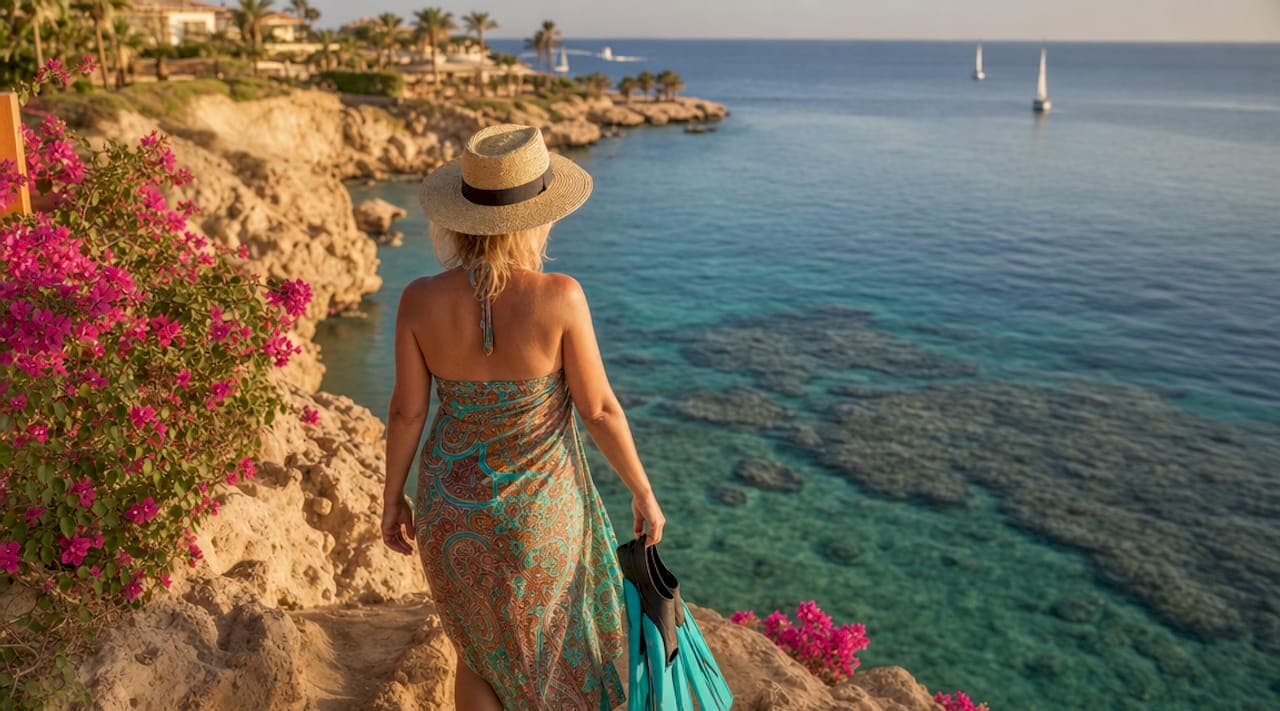
Hurghada is defined as Egypt's premier Red Sea resort city, drawing over 9 million visitors annually through its world-class diving, year-round warm climate, and 40 km of beaches. What is Hurghada known for goes well beyond sunbathing. The city delivers scuba diving on living coral reefs, desert safari adventures, a growing cultural scene, and a lifestyle that attracts both short-term tourists and long-term residents. Whether you are planning a first trip or considering a longer stay, Hurghada offers a range of experiences that few coastal cities in the region can match.
What is Hurghada known for in terms of marine and beach experiences?
Hurghada's reputation as a diving destination is built on genuine natural assets. The Red Sea off its coast hosts some of the most biodiverse coral reefs in the world, with visibility regularly exceeding 20 meters. That combination of calm, clear water and rich marine life makes it a reference point for scuba diving and snorkeling across the entire Middle East and North Africa region.
The top water activities available include:
- Scuba diving at sites like Sha'ab Abu Nuhas and Carless Reef, where wrecks and coral walls attract both beginners and advanced divers
- Snorkeling at Giftun Islands and Mahmya Island, two protected excursion destinations famous for pristine beaches and shallow reef systems
- Windsurfing and kitesurfing along the northern beaches, where consistent wind conditions draw international competitors
- Glass-bottom boat tours for travelers who want reef views without getting wet
Giftun Islands and Mahmya Island stand out as the most popular day trips from the city. Giftun and Mahmya offer protected marine environments where sea turtles, rays, and hundreds of reef fish species are common sightings. Boats depart daily from Hurghada Marina, and most excursions include snorkeling equipment and lunch.
The beach zones themselves vary considerably. The northern resort strip around Sahl Hasheesh and Makadi Bay offers private beach access through hotels, with calmer water suited to families. The central Sekalla area has more public beach access and a livelier atmosphere. Choosing the right zone depends on whether you prioritize seclusion or social activity.
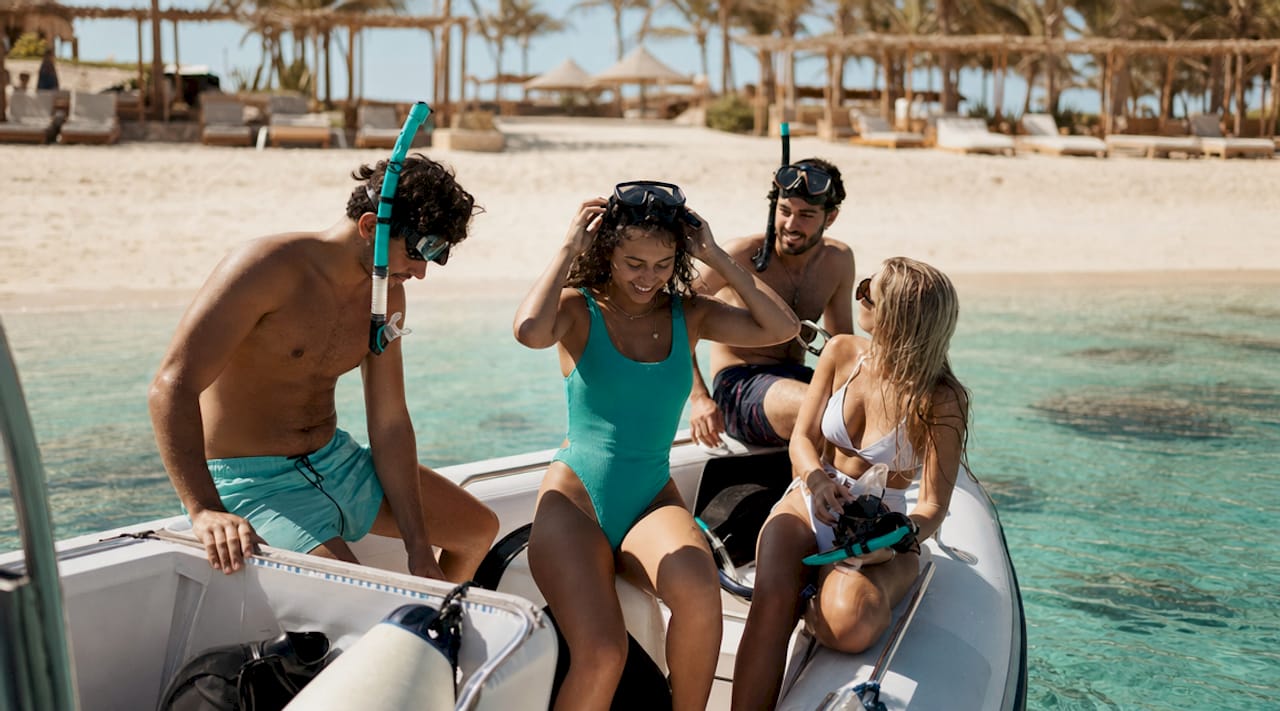
Pro Tip: The best diving conditions occur between March and May and again from September to November. Water temperatures sit around 22 to 26°C during these periods, visibility is at its peak, and crowds are smaller than in the peak summer months.
How does Hurghada's climate support year-round tourism?
Hurghada operates as a genuine year-round destination because its climate is hot and dry with almost no rainfall. Summer daytime temperatures exceed 35°C, while winter averages around 18°C. That winter mildness is a significant draw for European travelers escaping cold weather from November through February.
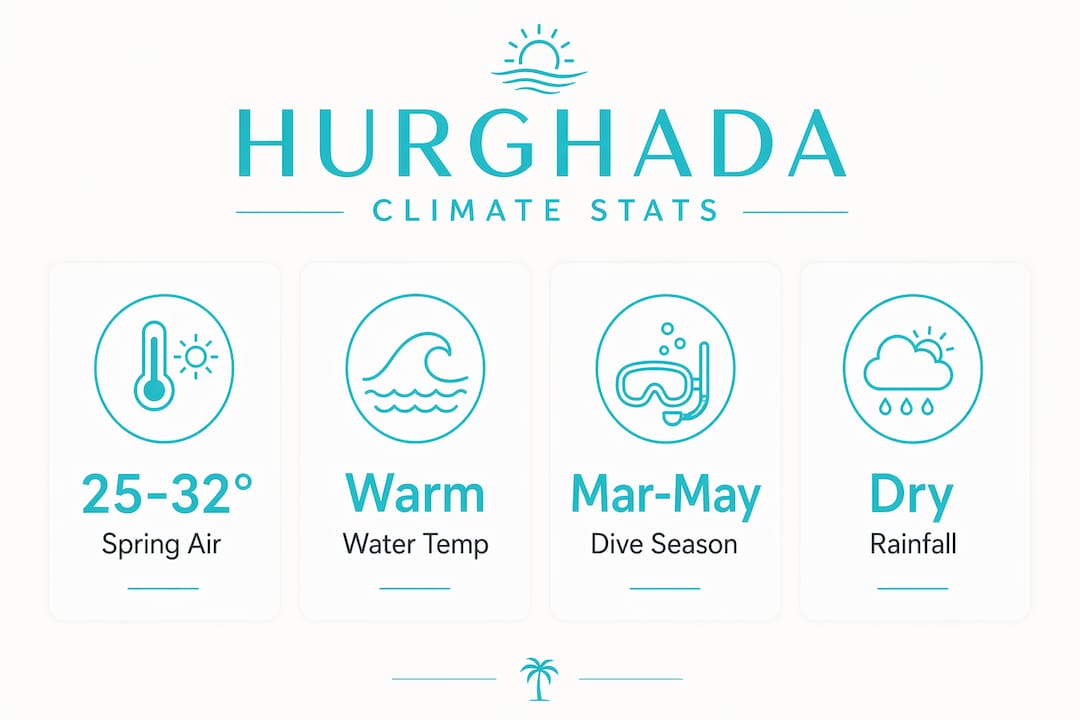
The table below shows how seasonal conditions affect the visitor experience:
| Season | Air Temperature | Water Temperature | Best Activities |
|---|---|---|---|
| Spring (Mar–May) | 25–32°C | 22–25°C | Diving, snorkeling, desert tours |
| Summer (Jun–Aug) | 35–40°C | 27–29°C | Water sports, beach, nightlife |
| Autumn (Sep–Nov) | 25–33°C | 24–27°C | Diving, island excursions, hiking |
| Winter (Dec–Feb) | 18–24°C | 20–22°C | Sightseeing, cultural visits, mild beach days |
Peak tourist seasons fall in spring and autumn due to moderate temperatures, though summer remains popular because water activities offset the heat. Winter draws a different traveler profile, mainly retirees and long-stay visitors who appreciate the affordability and quieter pace. Understanding this seasonal rhythm helps you plan around both weather preferences and crowd levels.
Top attractions in Hurghada beyond the water
Hurghada has evolved from a small fishing village into a full resort city since the 1980s, and that growth has produced a layered urban environment with distinct districts, cultural institutions, and entertainment options.
City districts worth exploring
The city divides into three main zones, each with a different character:
- El Dahar is the original old town, where local markets, traditional cafés, and budget restaurants give you a more authentic Egyptian experience. It is the area most visitors skip, which is exactly why it is worth visiting.
- Sekalla is the central port and commercial district, home to Hurghada Marina, waterfront restaurants, and the main nightlife strip.
- Resort zones like Sahl Hasheesh and Makadi Bay are purpose-built luxury areas with private beaches, international hotels, and curated amenities.
The contrast between El Dahar and the resort zones is significant. Tourist districts like Makadi Bay and Sahl Hasheesh offer polished, modern facilities, while El Dahar reveals layers of history and local culture that short-stay visitors often miss entirely.
Cultural and entertainment highlights
The Hurghada Museum and Grand Aquarium are two of the city's most visited non-beach attractions. The Hurghada Museum opened in 2020 and houses a collection of ancient Egyptian artifacts spanning multiple dynasties, presented in a modern, well-lit space that rivals Cairo's smaller museums. The Grand Aquarium offers an underwater tunnel experience with Red Sea species on display, making it a practical option on hot afternoons or for families with children.
Desert safari excursions are a major part of what activities in Hurghada offer beyond the coast. Operators run quad bike tours, camel rides, and overnight Bedouin camp experiences into the Eastern Desert. These trips typically include a traditional dinner, stargazing, and cultural demonstrations that provide genuine context for the region's heritage. Most depart in the late afternoon to avoid peak heat and return after sunset.
Hurghada Marina is the social hub of the city's nightlife. Restaurants, shisha cafés, and live music venues line the waterfront, and the area stays active well past midnight during peak season. It is the most accessible entry point for travelers who want evening entertainment without venturing far from the resort strip.
How does the Hurghada lifestyle differ for residents versus tourists?
Tourists and residents experience Hurghada in fundamentally different ways, and understanding that gap helps set realistic expectations for any trip.
Tourists experience the city through:
- All-inclusive resort packages with curated meals, entertainment, and beach access
- Organized excursions to reefs, islands, and desert sites
- Concentrated time in Sekalla and the marina area for dining and nightlife
- Limited interaction with local neighborhoods or daily services
Residents, particularly those in El Dahar and surrounding areas, engage with a different city entirely. They use local markets for groceries, rely on microbuses and tuk-tuks for transport, and socialize in neighborhood cafés rather than resort bars. The cost of living for residents is substantially lower than what tourists pay inside resort compounds, with local restaurants and markets offering prices that reflect Egyptian rather than European standards.
This gap matters for travelers considering a longer stay or a property purchase. The city's affordability as a living destination is one of its strongest draws for expats and retirees, but it requires stepping outside the resort bubble to access it fully.
Pro Tip: Spend at least one morning in El Dahar's central market area. Prices for fresh produce, spices, and local goods are a fraction of resort costs, and the experience gives you a much clearer picture of daily life in the city.
Key takeaways
Hurghada is Egypt's most visited coastal city because it combines world-class marine access, a reliable warm climate, and a growing range of cultural and urban experiences that extend well beyond the beach.
| Point | Details |
|---|---|
| Marine access | Giftun Islands, Mahmya, and Red Sea reefs offer diving and snorkeling for all skill levels. |
| Year-round climate | Winter averages of 18°C and summer water sports make every month viable for travel. |
| Cultural depth | El Dahar, Hurghada Museum, and desert safaris provide authentic experiences beyond resorts. |
| Lifestyle contrast | Residents access a far more affordable city than tourists see inside resort compounds. |
| Best travel timing | Spring and autumn offer the best balance of mild temperatures, clear water, and smaller crowds. |
Padsabroad's take on what makes Hurghada worth your time
Most travel articles about Hurghada focus on the same shortlist: beaches, diving, and all-inclusive hotels. That coverage is accurate but incomplete. What strikes me most about Hurghada is how many layers the city has that most visitors never reach.
The resort strip delivers exactly what it promises. But the travelers who come back, or who eventually decide to stay longer, are usually the ones who found El Dahar on their own, took a desert safari that went past the standard tourist route, or spent an evening at a local café rather than a marina restaurant. Those experiences are not hidden. They are just slightly off the path that package tourism creates.
The city's transformation from fishing village to global resort has produced genuine infrastructure alongside the luxury hotels. That means reliable utilities, international schools, medical facilities, and a property market that attracts buyers from the UK, Germany, Russia, and across the Arab world. For a traveler, that infrastructure makes the visit comfortable. For someone considering a longer commitment, it makes the city credible.
My honest recommendation for first-time visitors: book two or three nights in a resort to get oriented, then spend at least one full day outside it. The contrast will tell you more about Hurghada than any guide can.
— Padsabroad
Explore Hurghada real estate with Padsabroad
Hurghada's appeal does not have to end when your vacation does. Padsabroad specializes in helping international buyers find and purchase property along Egypt's Red Sea coast, including Hurghada, El Gouna, Sahl Hasheesh, and Soma Bay.
Whether you are drawn by the lifestyle, the climate, or the investment potential of a growing tourism market, Padsabroad provides local market knowledge and end-to-end support for overseas buyers. From beachfront apartments to villa communities, the team helps you move from visitor to owner with clear guidance at every step. Visit Padsabroad to browse current listings and connect with a specialist who knows the Red Sea coast in detail.
FAQ
What is Hurghada most famous for?
Hurghada is most famous for scuba diving, snorkeling, and Red Sea beaches, drawing over 9 million visitors annually. The Giftun Islands, Hurghada Marina, and desert safaris are among its top attractions.
Is Hurghada safe to visit in 2026?
Hurghada is considered safe for tourists, with no travel restrictions currently in place as of 2026. Standard travel precautions apply, as they do in any major tourist destination.
What is the best time of year to visit Hurghada?
Spring (March to May) and autumn (September to November) offer the best conditions, with moderate air temperatures and peak water clarity for diving and snorkeling. Winter is ideal for travelers who prefer a quieter, cooler visit.
What can you do in Hurghada beyond the beach?
Beyond the beach, Hurghada offers the Hurghada Museum, Grand Aquarium, desert safari tours, Bedouin cultural experiences, and a lively marina nightlife scene. El Dahar old town provides an authentic local market experience distinct from the resort zones.
How does living in Hurghada compare to vacationing there?
Residents in areas like El Dahar access a significantly more affordable city than tourists experience inside resort compounds, using local markets, transport, and services at Egyptian price levels. Tourists experience a curated version of the city centered on hospitality and organized excursions.