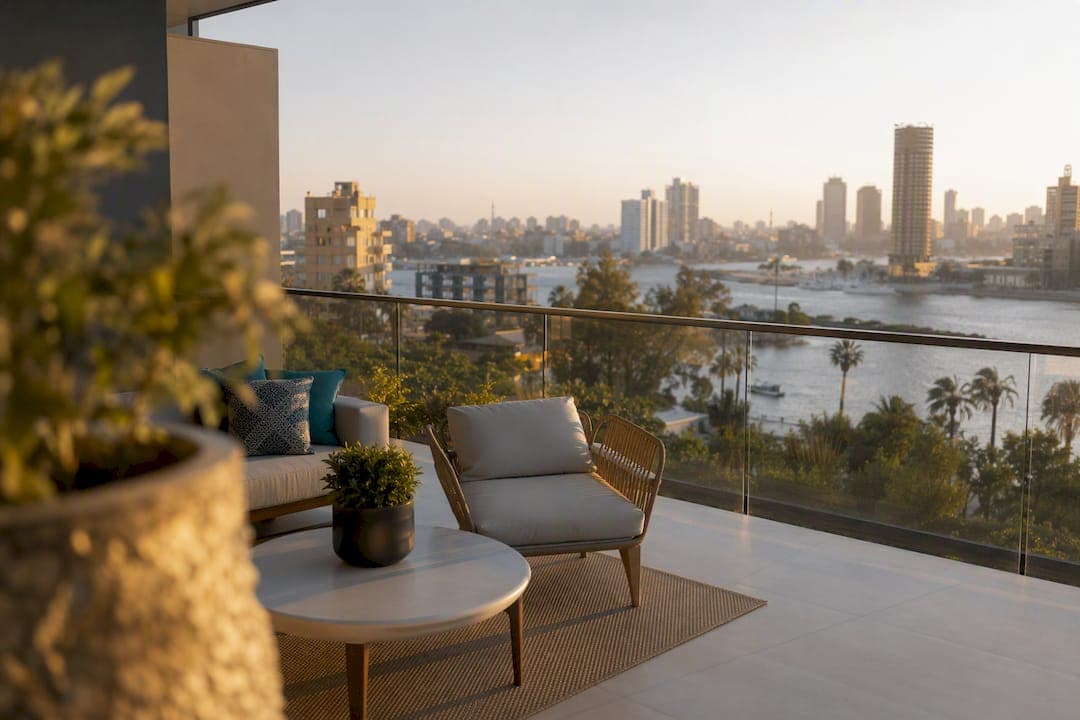
Expats choose Cairo living because a foreign salary in USD, GBP, or EUR stretches further here than in almost any other major capital, while three established neighborhoods (Zamalek, Maadi, and New Cairo's 5th Settlement) give newcomers an instant support network of international schools, private clinics, and fellow expats. A comfortable single-expat lifestyle in an upscale area runs roughly $700 to $1,200 a month, covering rent, groceries, and going out, a fraction of what the same standard of living costs in London or Dubai.
That value comes with real trade-offs:
- Traffic that can turn a five-mile trip into an hour-long ordeal
- Summer heat that regularly climbs past 100°F with patchy air quality
- Bureaucracy that rewards patience and local contacts over speed
The Cairo Metro, reliable ride-hailing apps, and a company like Padsabroad that knows the property market firsthand all help smooth the rough edges. Once you understand the math and the neighborhoods, the appeal makes a lot more sense.
Key Takeaways
Cairo delivers outsized value to hard-currency earners through low costs, established expat neighborhoods, and strong private healthcare and school access, provided you plan around traffic and bureaucracy.
| Point | Details |
|---|---|
| Budget realistically | Singles should plan for $700 to $1,200 a month; families with school fees often spend $3,500 to $5,500. |
| Pick a neighborhood by commute | Zamalek suits walkability, Maadi suits families, New Cairo suits space but requires a car. |
| Protect your savings | Hold long-term funds in hard currency given EGP volatility. |
| Verify school accreditation | Confirm NEASC, COIS, or IB status before paying any deposit. |
| Plan for buy vs. rent | Bring in a specialist once you're considering a purchase rather than a short-term lease. |
Table of Contents
- What Are the Biggest Pros and Cons of Cairo Expat Life?
- How Much Does It Cost to Live in Cairo as an Expat?
- Which Neighborhoods Do Cairo Expats Actually Live In?
- How Do You Get Around Cairo Without a Car?
- Are Healthcare and International Schools Good in Cairo?
- What Does Everyday Social Life Look Like in Cairo?
- How Do You Rent or Buy Property in Cairo?
- What's Changing in Cairo's Property Market for 2026?
- What Most Guides Get Wrong About Moving to Cairo
- Sources
What Are the Biggest Pros and Cons of Cairo Expat Life?
Every expat weighing a move to Cairo runs the same mental math: does the lifestyle upside outweigh the daily friction? For most people earning in hard currency, it does.
The advantages stack up fast:
- Rent, food, and domestic help cost a fraction of Western prices
- Established expat communities in Zamalek, Maadi, and New Cairo make integration faster
- Over 100 international schools give families real choice in curriculum and price point
- Private healthcare and a genuinely rich cultural scene are both accessible and affordable
The friction points are just as real. Traffic congestion is chronic enough that commute time often dictates neighborhood choice more than rent does. Summer heat and air quality can wear down anyone unused to a desert climate. Government paperwork, from residency permits to utility hookups, moves at its own pace. Building maintenance in older apartment blocks varies wildly by landlord.
The financial trade-off is where Cairo wins outright: a household earning $4,000 a month abroad can afford a driver, a housekeeper, private school tuition, and a spacious apartment, a combination that would be unreachable at that income almost anywhere else.

How Much Does It Cost to Live in Cairo as an Expat?
Budgets vary by lifestyle, but three rough profiles cover most newcomers. A single professional renting a one-bedroom in Zamalek or Maadi, eating out regularly, and using ride-hailing daily lands around $700 to $1,200 a month. A family of four in New Cairo paying international school tuition for two kids typically spends $3,500 to $5,500 monthly once you add a driver and health insurance. A comfortable mid-range household without school fees often settles between $1,800 and $2,800.
Where the money actually goes:
- Rent: the single biggest line item, especially in compounds
- Household help: a full-time housekeeper or driver costs a fraction of Western rates
- Private healthcare and insurance: essential, since public facilities aren't built for expat needs
- International school tuition: often the largest expense for families
- Utilities: modest, but subject to price hikes tied to subsidy reforms
Pro Tip: Keep your savings and any long-term investments in hard currency. The Egyptian pound has seen sharp devaluations in recent years, and salaries or savings held purely in EGP lose purchasing power fast.
Which Neighborhoods Do Cairo Expats Actually Live In?
Expat life in Cairo concentrates almost entirely in three areas, and picking the right one shapes everything from your commute to your social circle.
-
Zamalek: This Nile-side island neighborhood is Cairo's most walkable district, packed with cafés, art galleries, and embassies. Rent for a two-bedroom apartment typically runs $500 to $900 a month. Parking is scarce and older buildings can have inconsistent maintenance, but nothing beats the ability to walk to dinner.
-
Maadi: Cairo's classic family suburb, built around leafy streets, international schools, and a dense expat network that's been there for decades. Rents sit close to Zamalek's range, and the payoff is proximity to supermarkets, playgrounds, and other expat families doing school runs on the same schedule.
-
New Cairo (5th Settlement): The newest and most car-dependent option, built around gated compounds, malls, and modern infrastructure. Villas and large apartments here often beat older neighborhoods on space and amenities, but you'll need a car or a reliable ride-hailing habit since almost nothing is walkable.
Sheikh Zayed and 6th of October City offer similar compound living west of the city, popular with families who work in New Cairo's business parks. Garden City, closer to downtown, appeals to those who want colonial-era charm without Zamalek's crowds.
Pro Tip: Choose your neighborhood based on proximity to your job or your kids' school, not the cheapest rent you find. Traffic can turn a $200 monthly rent savings into two extra hours in the car every single day.
How Do You Get Around Cairo Without a Car?
Getting around Cairo comes down to three realistic options, and most expats end up using all three depending on the trip.
- Cairo Metro: Fast, cheap, and one of the only ways to bypass surface traffic entirely, though coverage doesn't reach every expat neighborhood directly.
- Uber and Careem: The default for most daily trips, offering fixed pricing and English-language apps that beat negotiating with street taxis.
- Owning a car: Makes sense mainly for New Cairo or Sheikh Zayed residents, where compounds and malls assume you're driving.
Traffic congestion shapes daily life here more than almost any other factor, so base yourself near your regular destinations, keep a ride-hailing app open at all times, and build in extra buffer time for anything scheduled during rush hour.
Are Healthcare and International Schools Good in Cairo?
Private healthcare in Cairo is genuinely strong, with modern hospitals and English-speaking specialists in Zamalek, Maadi, and New Cairo. Private insurance plans for a family typically run from a few hundred to over a thousand dollars a year depending on coverage, far below equivalent Western premiums.
Schools are where Cairo really delivers for families. Over 100 international schools offer IB, British, and American curricula, giving parents genuine choice.
- Start applications six to twelve months before your move
- Confirm accreditation through bodies like NEASC or COIS
- Ask about waitlists, since popular schools in Maadi and New Cairo fill up fast
Pro Tip: Don't assume every school branded "international" carries real accreditation. Check the school's status directly with NEASC or COIS before committing to a deposit.
What Does Everyday Social Life Look Like in Cairo?
Social life clusters around the same neighborhoods you'd expect. Zamalek's Nile-side restaurants and rooftop bars anchor the evening scene, while Maadi's cafés and community groups make it easier to build a network built around school runs and weekend brunches.
- Food ranges from $1 street koshary to white-tablecloth Nile-view dining
- Late-night culture is real. Cairo doesn't slow down until well after midnight
- Facebook groups and community pages are still the fastest way into the expat network
- Weekend escapes to Red Sea resorts, Alexandria, or Luxor are all short flights or drives away, with Cairo International Airport acting as a genuine regional hub for onward travel
How Do You Rent or Buy Property in Cairo?
Finding housing in Cairo follows a fairly consistent playbook, whether you're renting short-term or buying long-term.
- Search and view: Local agents typically charge the equivalent of one month's rent as a fee, and viewings move fast in popular buildings.
- Compare compound living to standalone apartments: Compounds offer security and shared amenities; private apartments usually cost less but leave maintenance to you and the landlord.
- Review the lease carefully: Standard deposits run one to three months' rent, and contracts should spell out who handles maintenance, especially for older buildings.
- Handle the bureaucracy early: Residency permits, utility transfers, and internet setup all take longer than expected, so start the paperwork the week you arrive.
Budget for domestic help and routine maintenance as fixed monthly costs, not occasional extras. For readers who eventually consider buying rather than renting, property management guidance covers leases, utilities, and finding trustworthy local contacts.
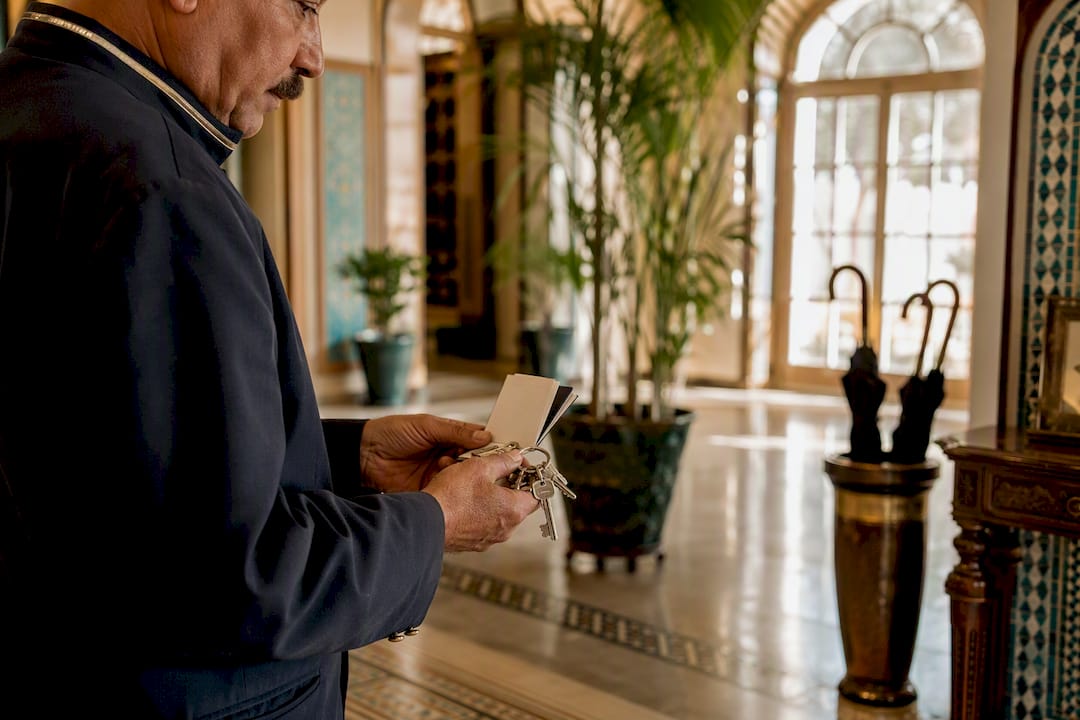
Pro Tip: Ask your agent for the doorman's contact directly. In most Cairo buildings, the doorman knows more about maintenance issues and building politics than the landlord does.
What's Changing in Cairo's Property Market for 2026?
Cairo's real estate market has kept expanding through 2026, with new compound developments pushing further into New Cairo and Sheikh Zayed and reshaping which neighborhoods offer the best value for money.
- New Cairo continues absorbing much of the demand from families who want modern infrastructure over central location
- Older neighborhoods like Zamalek and Maadi are seeing renewed interest from expats who prioritize walkability
- Padsabroad's market analysis tracks how this expansion affects pricing and neighborhood selection for buyers
Cairo's growth in 2026 isn't just about new buildings. It's about expats increasingly weighing whether renting short-term or buying into a compound makes more sense for their specific timeline and budget.
If you're leaning toward a purchase rather than a lease, that's the point to bring in a specialist who knows the local contracts and payment plans.
Renting in Cairo is a straightforward decision for anyone testing the waters, but buying property changes the calculation entirely, especially with the market shifts underway in 2026. Padsabroad's first-time buyer guide walks through financing, legal steps, and realistic timelines for overseas buyers, while the team's direct experience with Egypt's Red Sea coast and expanding Cairo market means you get guidance grounded in actual transactions, not guesswork. If hidden relocation costs are part of your planning, this breakdown of expenses Americans often miss is worth reading before you commit to a lease or a purchase.
What Most Guides Get Wrong About Moving to Cairo
Most advice on Cairo expat life treats neighborhood choice as a budget question. It isn't. The rent difference between Zamalek and New Cairo rarely exceeds a few hundred dollars a month, but the difference in daily quality of life, driven almost entirely by commute length, is enormous.
The conventional wisdom also undersells how much the human element matters here. Long-term retention among Cairo expats has less to do with infrastructure and more to do with the density of relationships, doormen, agents, shopkeepers, who make daily friction manageable. Anyone treating this as a purely financial decision misses that.
If you're weighing a move in 2026, prioritize proximity to your actual daily life first, budget realism second, and only then start comparing rents. And if property ownership is part of your longer-term plan, get a local read on the market before you fall in love with a specific building. Prices and payment structures in Cairo shift faster than most newcomers expect.
— PADSABROAD
Sources
- Living in Cairo: What You Need to Know Before You Move
- Living in Cairo, Egypt 2026: Cost of Living, Neighborhoods & Expat Tips